Conflict Management
– Statement of Approach –
– Focused Projects –
The successful approach to conflict must first be addressed as a human, relational, and physiological process before I approach it as a problem to be solved.
Bryan Stafford
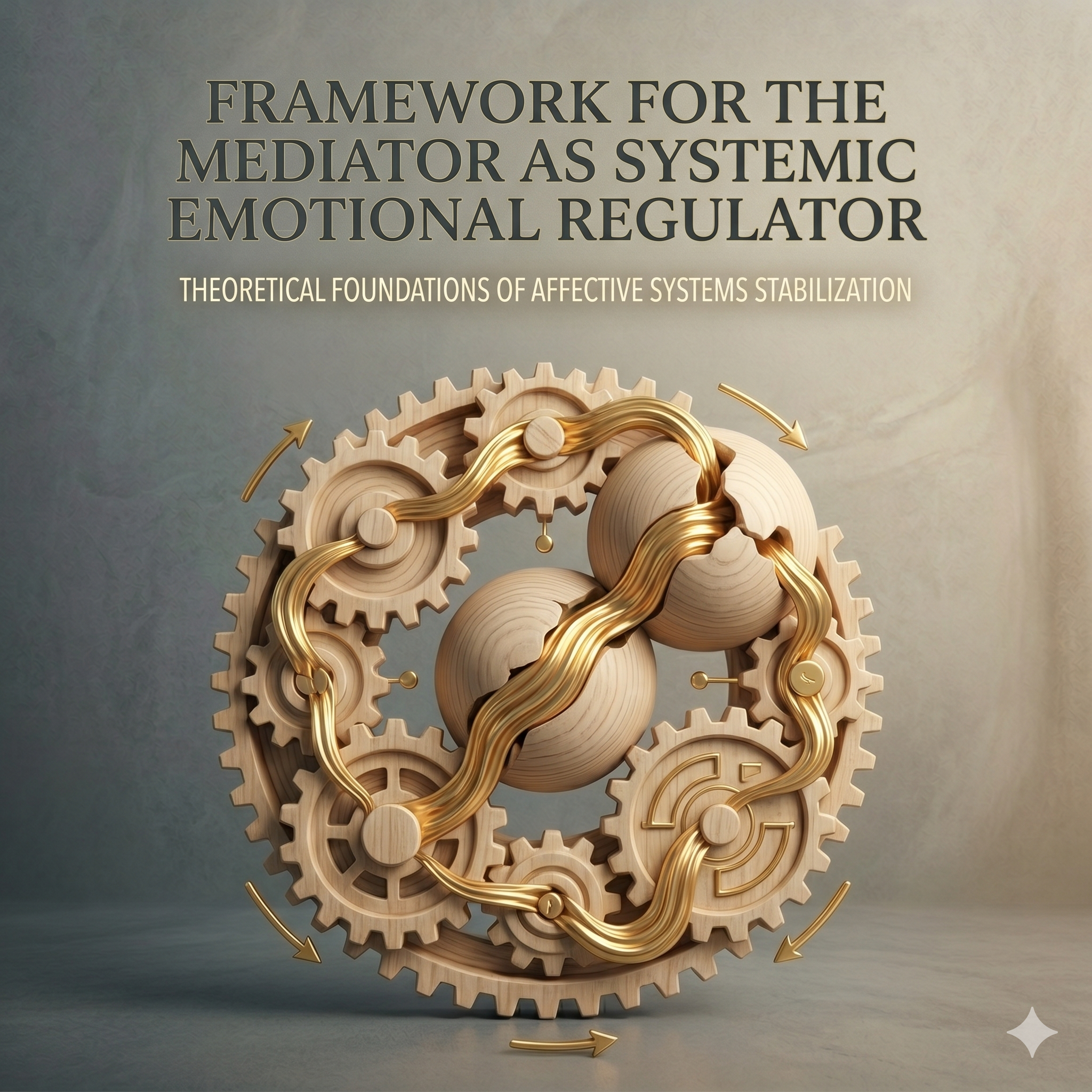
Conflict changes what people see, activates attachment and threat systems, narrows perception, and can pull individuals and the room itself into patterns of dysregulation. My work therefore begins not with bargaining, persuasion, or settlement, but with creating the conditions in which meaningful conflict work becomes possible.
The mediator’s first responsibility is both interior and systemic: to remain sufficiently differentiated and regulated to read what is happening beneath the words, to create safety and predictable structure, and to stabilize the emotional system of the room. The mediator does not stand outside that system; the mediator’s own presence becomes part of the regulatory environment. This same principle appears in the attachment-aware work, where the mediator functions as a temporary secure base while adapting the process to the different ways people respond to relational threat.
From that regulated foundation, the work is to restore fullness: to resist reducing people to positions, behaviors, diagnoses, roles, or the worst thing they have done, and to help participants recover enough perspective to encounter one another again as multidimensional human beings. The goal is not forced empathy, forgiveness, reconciliation, or continued relationship. Fullness does not require access, agreement, equal responsibility, or remaining within reach of harm. It is the disciplined recovery of perception that allows agency, accountability, complexity, and choice to return.
Only then does the process move deliberately into communication, interests, accountability, problem solving, and agreement. Regulation precedes higher-order conflict skills because people cannot reliably use language, perspective-taking, or negotiation techniques that their nervous systems have temporarily made unavailable. The underlying developmental sequence is awareness before regulation, regulation before assertion, and assertion before feedback.
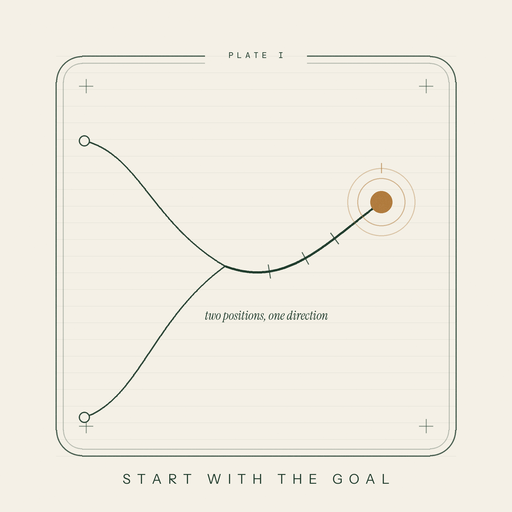
Structure matters as much as insight. Parties need a co-created container in which they have voice, clear boundaries, predictable ground rules, and genuine freedom to participate. Once sufficient regulation and readiness exist, they can establish a shared destination and build specific, owned, durable agreements around it. In this approach, the ground rules provide the container, regulation provides the capacity, and the shared goal provides the direction. A goal is developed only after people have been heard and have passed the regulation gate—not while they are operating from threat or dysregulation.
The ultimate aim, therefore, is larger than settlement. It is to create the conditions in which people can move from reactivity toward agency, from flattened stories toward fuller perception, from automatic patterns toward deliberate choice, and from vague resolution toward agreements they genuinely understand, own, and can sustain. The measure of the work is not simply whether a dispute ends, but whether the people involved leave with greater capacity to engage conflict without losing either themselves or the humanity of the person across from them. That distinction between a settlement that ends a dispute and a transformation that outlasts it is central to The Mediator’s Discipline.
Focus Areas
The Flattening: Mediator’s Role

Vague Handshake: Not Built to Last
Attachment: What You Cannot See

Systemic Emotion Regulator